iTunes 7 – looking good!

I finally had the time to upgrade iTunes to version 7, I must say that the improvements in this build are pretty impressive.

The Good

Tasks View

What I particularly like is how they separated the “current performing tasks” into it’s own page rather than having to click and cycle through the main display. This can get very irritating if you’re downloading a lot of podcasts, then are listening to something. Say you want to change the playhead position on that song – you’ll have to cycling though the different tasks until you see the “task” for the current playing song.

Apple has solved that by putting it on a separate page view:

Read More

Guitar Rig sample

I’ve recorded a “lick” using Native Instrument’s Guitar Rig 2 instead of the GT-8. I must say I’m leaning towards using GR2 over the GT-8 since it’s much more flexible. You can record a guitar dry signal and just mix and match effects on post-process. This makes it possible to improve/change the tone if you suddenly realized that you wanted a “different sound.” This was also a perfect opportunity to brush up on my guitar tapping technique – I’m so out of practice and it shows hahahaha.

I also tried using Toontrack’s DFH EZDrummer. I must say it is quite impressive considering it’s a really stripped down drum module with not nearly enough features as a Battery or BFD, but it gets the job done for quick and dirty tracking. Perfect if you want “decent” drums but have no time to really set it up. Of course when you start finalizing your songs, it would be andvisable to swap in the more robust drum modules in place of EZDrummer.

A [not so] definitive guide to common audio interconnects

Here’s a very useful post for the travelling audio person.

In BukasPalad, whenever we have performances we usually are dependent on whatever soundsystem the venue has. Knowing how 3rd-world countries work, most of these soundsystems’ equipment and technicians are far from professional. But we’re broke so we just have to live with it I guess.

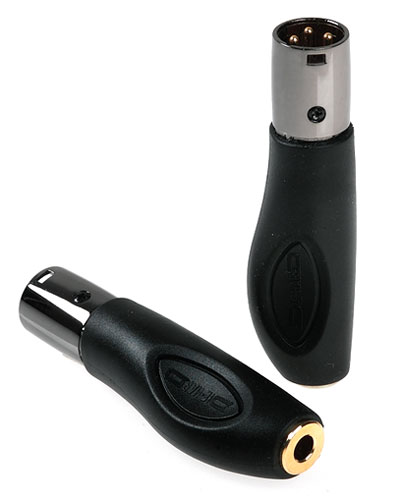
Aside from worrying about what microphones we have available, the next most important thing was always to make sure their system can play our minus-ones (if need be). This usually meant we had to conenct our iPods (cuz were high tech hahahaha joke) to the PA – and that’s were everything can get lost in translation. I remember the trouble we had in finding the correct plugs and jacks to connect whatever we had, to whatever they had. There were times I would say “yung malaki” (the big one) when I referred to the 1/4″ plug, or “pang-headphones” (for headphones) when referring to a 2.5mm plug; just so I could make them understand the type of adaptor I wanted.

So with that, I’ve taken the liberty of distilling the long text from wikipedia articles and explain what you need to know to communicate what you need to whichever venue sound-technician you talk to. There are a lot of alternative names for these common audio interconnects, and I will attempt to consolidate in one post, the different names used – which I’ve come across over time.

Read More

Some audio mumbo jumbo

After much research on the safety of trying to connect an unbalanced 1/4″ jack (TS) to a balanced, phantom power enabled XLR input on my mixer using a simple interconnect adaptor, I decided that I should just invest in a DI (Direct Injection) box – which will solve the problem beyond any reasonable doubt.

Considering mixers have 1/4″ jacks (which support both balanced or unbalanced inputs) anyway, you may be thinking why go through all the trouble of trying to connect a naturally unbalanced instrument cable to a balanced input? Read More